2025
Background
SeeRead began as an exploration into whether AI could make dense, long-form content more accessible. Research papers, lengthy articles, and multi-hour podcasts contain valuable knowledge, but their format creates a barrier—most people save them to read later and never return. I wanted to build something that could instantly transform this content into visual summaries that are easier to consume, share, and remember.
Core Problem
We're drowning in high-quality content we never actually consume. A 50-page research paper or a 3-hour podcast holds insights that could change how we think—but the time investment feels prohibitive. Existing AI tools require copy-pasting text, crafting prompts, and switching between apps. There was no purpose-built solution that could take a URL and produce a polished, shareable visual summary with a single click.
The Approach
I designed, built, and shipped SeeRead as a Chrome extension, iOS app, and web app in less than a month.
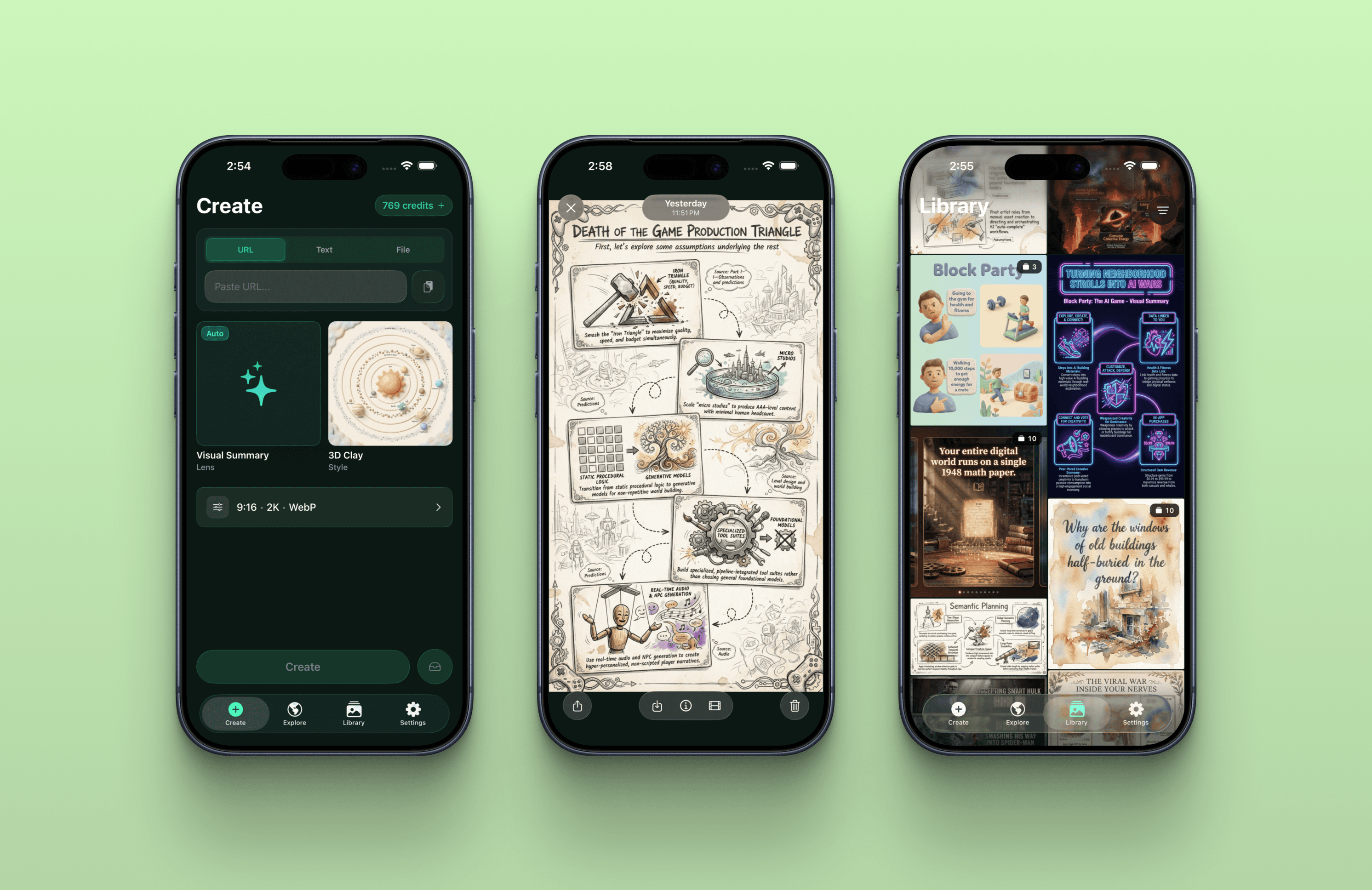
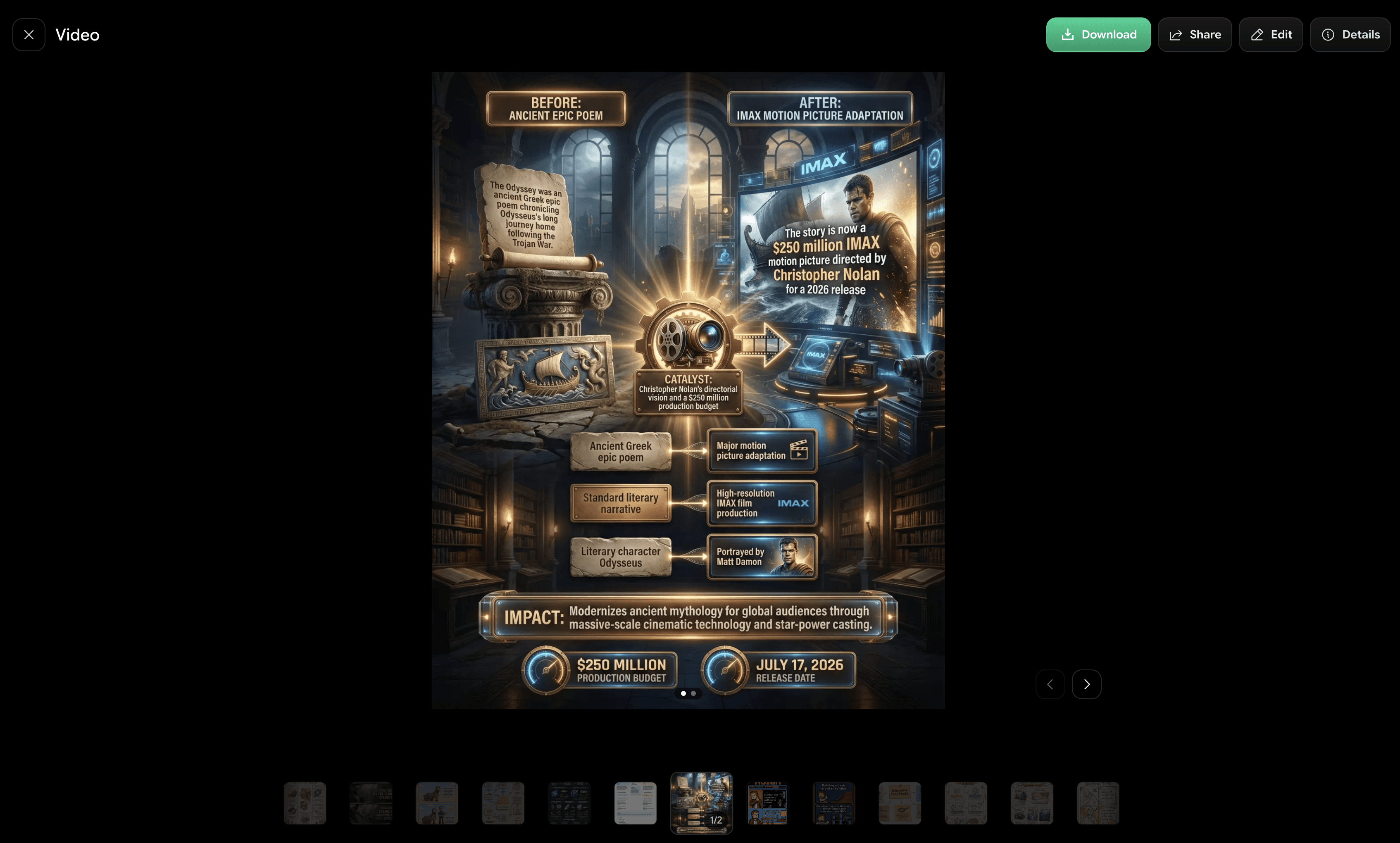
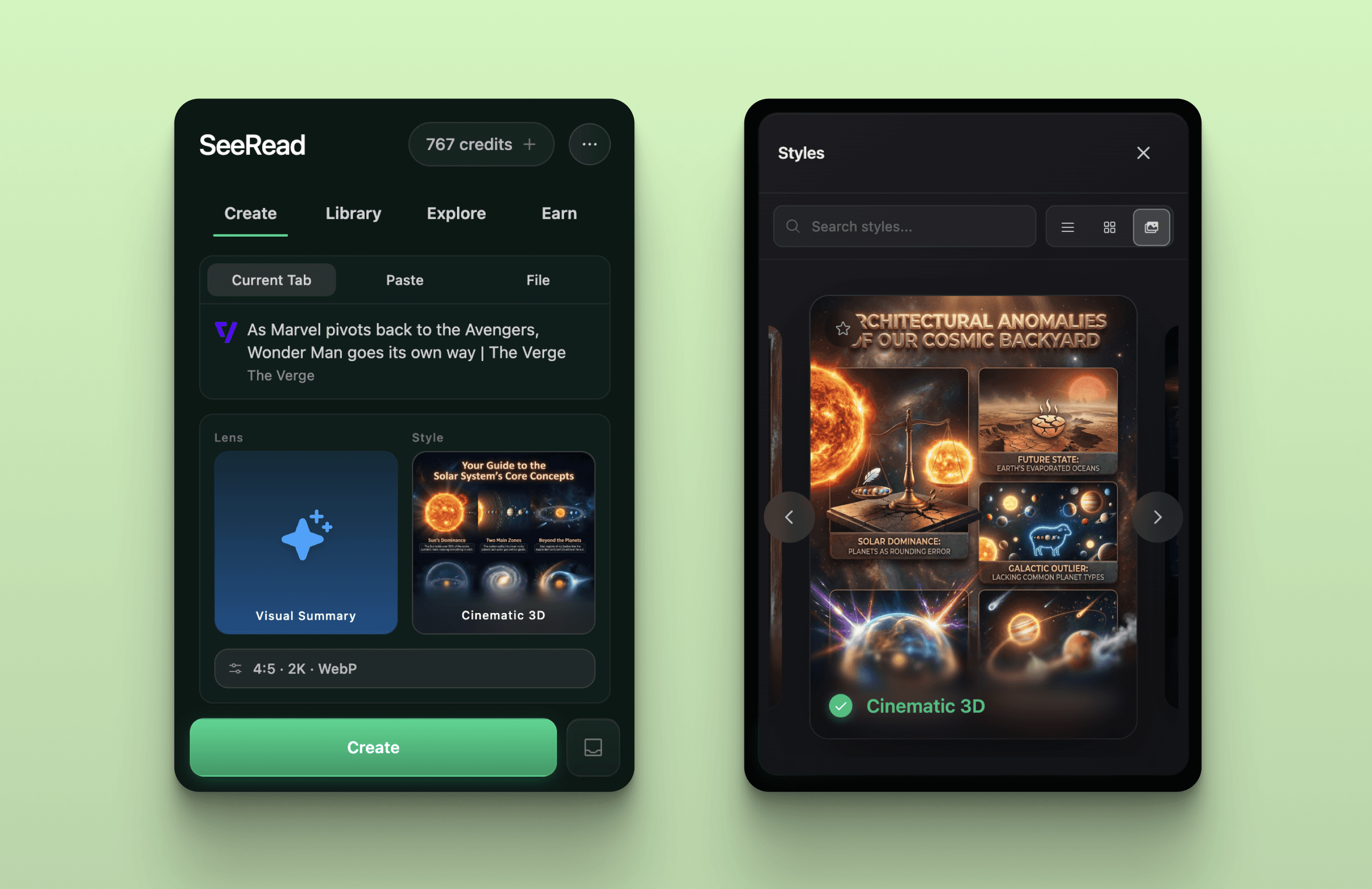
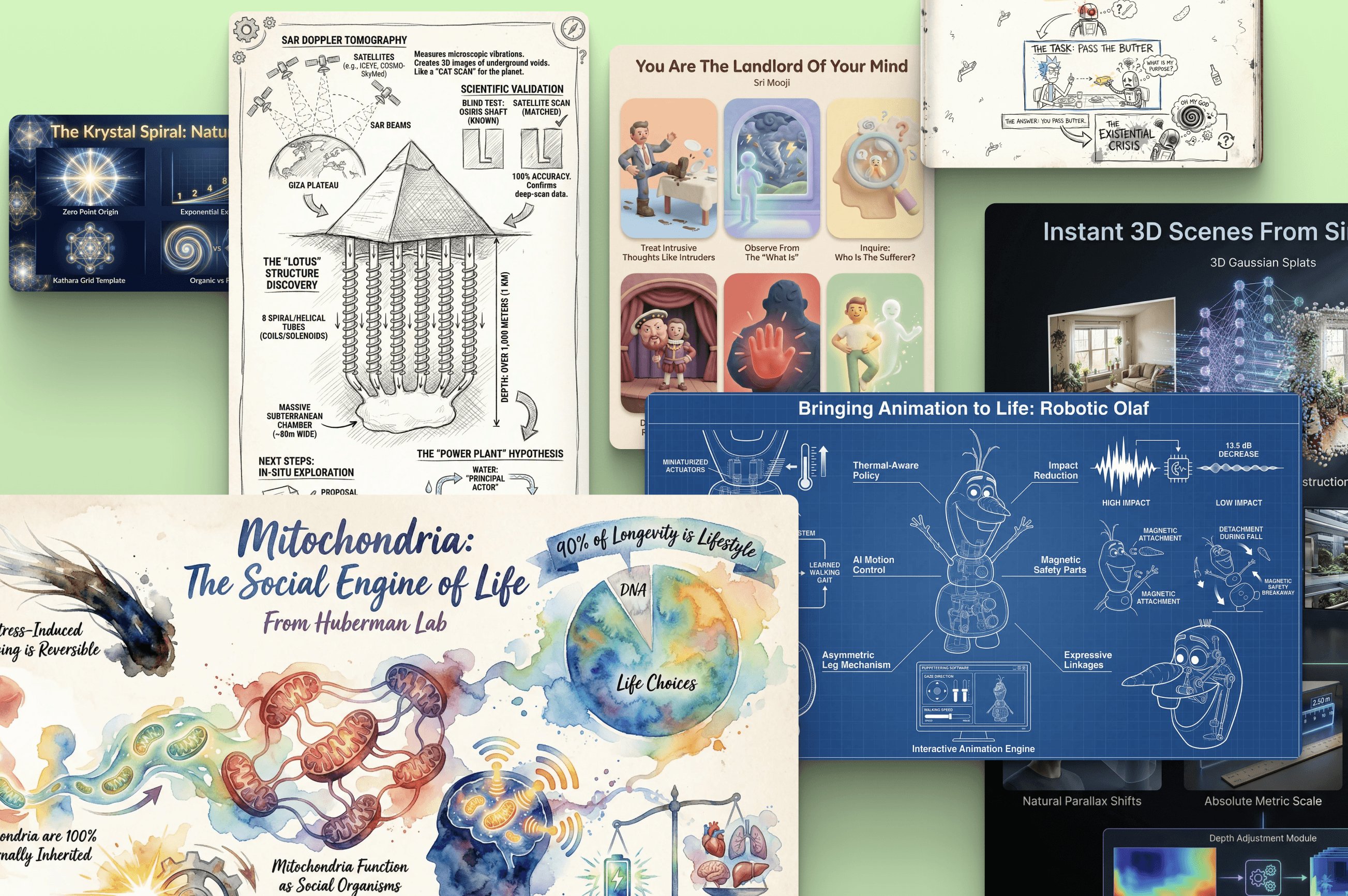
Users paste any link (article, paper, podcast, or YouTube video), select a visual style, and receive a custom infographic in about two minutes. The system extracts content, synthesizes key insights, and generates publication-ready visuals using a curated library of design styles. The entire flow is optimized for zero friction: no accounts required to start, no prompt engineering, no design skills needed.
Results and Impact
SeeRead transforms how people interact with long-form content. Users can now turn dense research into shareable visuals, making complex ideas accessible to broader audiences. The extension handles everything from AI research papers to multi-hour podcasts, with server-side processing that ensures consistent, high-quality output. What started as a personal tool for making sense of the content I was saving has become a bridge between information overload and visual clarity.